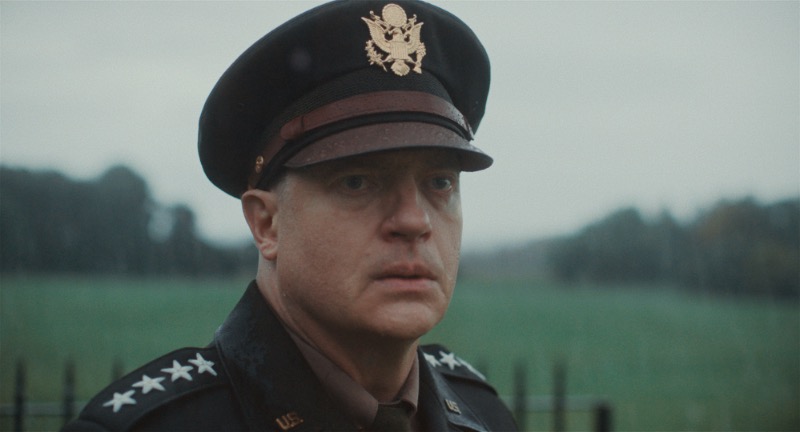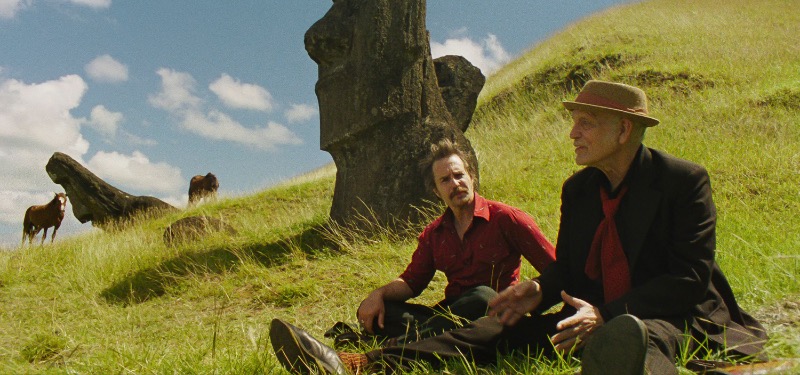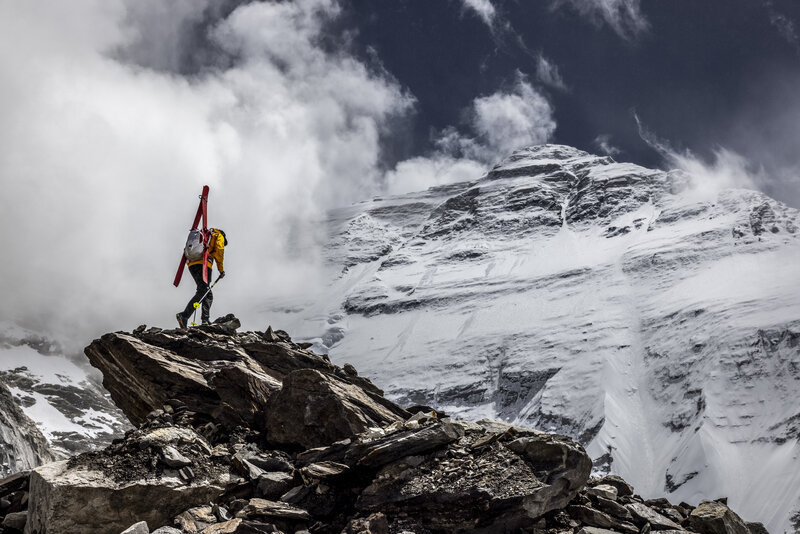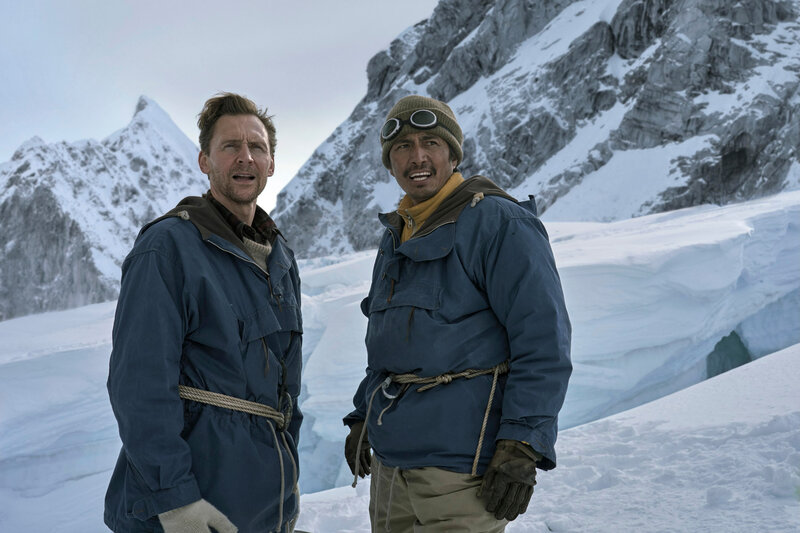
The narrative feature Tenzing charts the emotional background to the historic ascent of Mount Everest by Nepalese-Indian Sherpa Tenzing Norgay on 29th May, 1953. Standing beside him on the summit – New Zealander Edmund Hillary. Based on true events, aspects have been dramatised and amalgam characters created.

The film positions Norgay (Genden Phuntsok as an adult) as an outsider, rather than as a native-born Sherpa. As a child, he would peer longingly at the spectacular peak of Chomolungma, Tibetan for Goddess Mother of the World, from across the border. Circumstances dictated that he and his parents abandoned their home, before he fell ill and his parents had to leave him behind while they searched for work.

Growing up, he set his mind to being at one with the world’s highest mountain, an ambition understood and encouraged by Dawa (Thinley Lhamo) who became his wife. But without letters of recommendation, getting into the Sherpa business was hardly straight forward. Once he found a way, Norgay subsequently almost made it to the top of Everest on a Swedish attempt in 1952, alongside Raymond Lambert. They were forced to abandon their endeavours, virtually within touching distance of the summit, by extreme weather, exhaustion and critical equipment failure.

Then came the turn of the Brits the following year. Norgay was a reluctant starter because he had promised his children that the previous year would be the last, as tragedy had earlier befallen his wife. As it turned out, he was only prepared to be part of the expedition if he was recognised as a member of the official climbing team and not just seen as a schlepper. And so it came to pass, although he butted heads with a native Sherpa named Pasang, who regarded him as an interloper.

The expedition was led by John Hunt (Willem Dafoe), a distinguished British Army officer and mountaineer. Hunt eventually had to pick which two climbers in his party were to make a final push to try to summit Everest. Hilary and Norgay were not his first choice. The film features Norgay at three stages of life, one as a young boy (Tenzin Dalha), another as an older boy (Samdrup Dorje Lama) and finally as an adult.

Written by Luke Davies and directed by Jennifer Peadon, it is a story built around overcoming obstacles in pursuit of a goal never achieved before. There is a reverence too about the spiritual nature of the Sherpa. It is an emotionally fraught journey, with Norgay painted as resilient, persistent and respectful of others and the power of the mountain. Visually, the presentation of Everest is a cinematographer’s dream.

It is easy to warm to the endeavours of Genden Phuntsok in realising the ambitions of a man on a mission, but humble at the same time. So, too, Tom Hiddleston as a focused Edmund Hillary. In fact, the chemistry between the pair is evident on screen. I liked the dynamic created between Norgay and Pasang, while Willem Dafoe does a good job portraying the expedition head. With a beautiful smile, Thinley Lhamo is shown as warm and caring as Norgay’s wife.
So it is that Tenzing weaves an important story of human endeavour that will bring tears to the eyes of many. Rated PG, it scores a 7½ out of 10.
Alex First
Other reviews you might enjoy:

Alex First is the editor of The Blurb. Alex is a Melbourne based journalist and communications specialist. He also contributes to The Blurb on film and theatre.